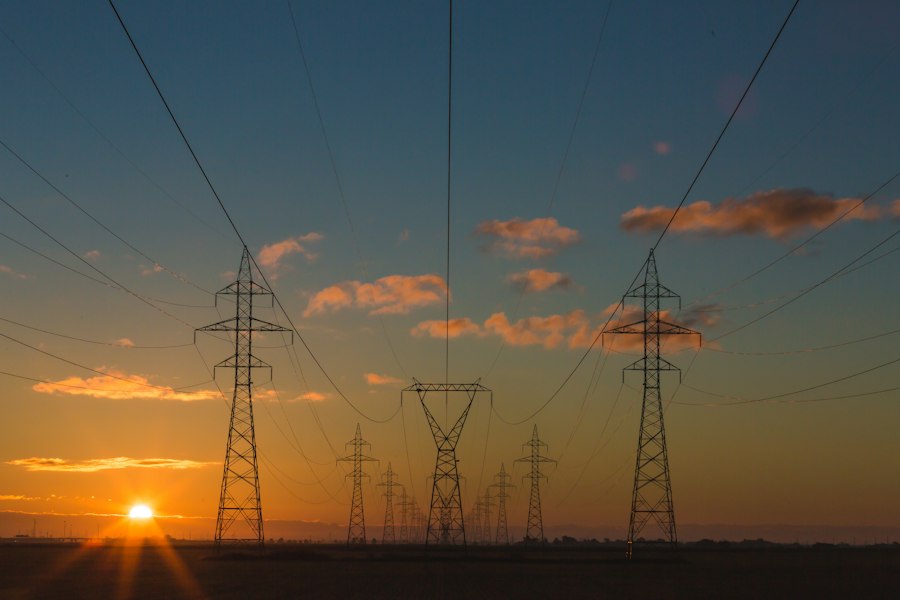
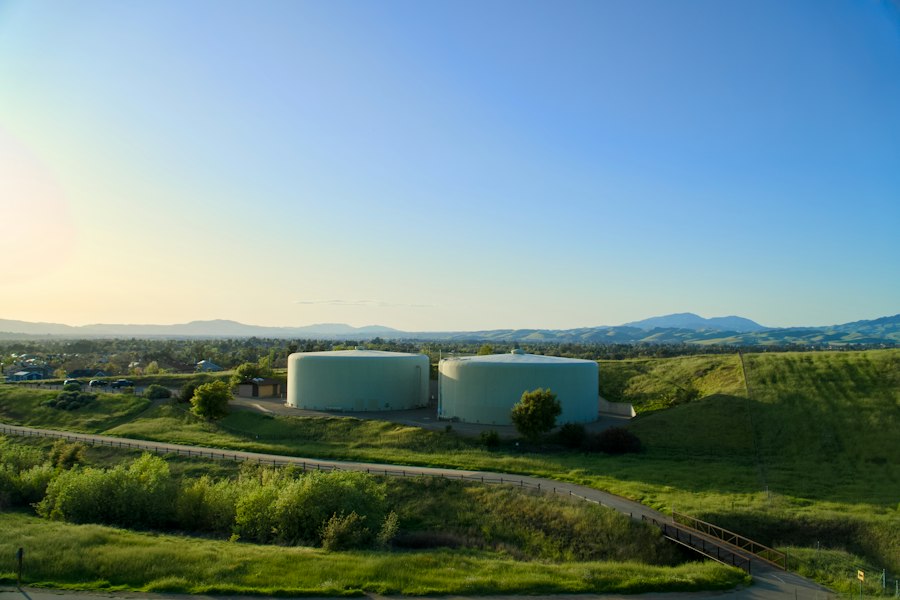
Marvqiue Global tracks how policy, industrial capital and physical infrastructure are rebuilding the real economy — sector by sector, project by project, long before the market prices it in.
Marvqiue Global was formed to answer one narrow question properly: when a government commits to a target and an industry commits a capital budget, what actually gets built, where, and on whose balance sheet?
We publish analysis, maintain continuous coverage of five industrial themes, and track the policy instruments that decide which projects reach financial close. We manage no money, distribute no products and make no recommendations.
Independent of every product issuer
Primary-source policy, planning and procurement data
Written in plain English, with the uncertainty stated
We cover the sectors where the obligation to change is written into law, not into a press release.
01 — Coverage
Hydrogen & Circular CO₂
Electrolyser build-out, offtake contracts and the carbon streams that make circular chemistry commercially real.
Read the coverage
02 — Coverage
Smart Energy Surfaces
Building-integrated photovoltaics and the facades, roofs and structures quietly becoming generation assets.
Read the coverage
03 — Coverage
Advanced Liquid Fuels
Sustainable aviation fuel, synthetic diesel and the feedstock competition that decides who can actually supply them.
Read the coverage
04 — Coverage
Next-Generation Bioplastics
Bio-based and compostable polymers making the jump from pilot line to signed packaging contract — and the collection infrastructure that has to catch up with them.
Read the coverage
05 — Coverage
Real Estate
Where the build-out physically lands: land assembly, grid connections, logistics corridors and the buildings that end up hosting the new industrial base.
Read the coverage
06 — Coverage
Gold Coins
Bullion coins as a store of value: the demand behind them, the tax treatment that shapes what people buy, and the premium and storage costs that quietly decide the outcome.
Read the coverage
What we actually track
Four signals, followed in order.
A target is not a project. A project is not a build. We watch each stage separately, because most of the value — and most of the disappointment — happens between them.
Policy & incentives
Statutory targets, subsidy schemes, tax-advantaged innovation frameworks and the consultations that quietly move them.
Capital commitments
Corporate capex guidance, project finance, grant awards — and how much of each actually converts into spend.
Physical build-out
Planning consents, grid connection queues, construction starts and the commissioning dates that keep slipping.
Offtake & demand
Who has actually signed to buy the output, at what price, over what term — the test every thesis eventually meets.
The scale of it
This is not a thematic allocation. It is a rebuild.
The numbers below frame almost every conversation we have. They are indicative, drawn from public estimates, and they move — which is precisely why they are worth following rather than quoting once.
Recorded across generation, grids, transport and industry in recent years.
2040
The horizon most national pipelines now run to
Which makes today’s consenting decisions a twenty-year commitment.
5–7yr
Typical gap between policy signal and commissioning
The window in which understanding is worth more than visibility.
EIS
The framework routing private capital into early-stage innovation
One of several tax-advantaged structures we monitor, not promote.
How we work
Four steps, always in the same order.
STEP 01
Map the mandate
Start at the statute, target or subsidy that creates the obligation. If nothing obliges anyone to act, we stop there.
STEP 02
Follow the budget
Trace the capital — who committed it, across what period, against which milestones and with what recourse if it slips.
STEP 03
Verify on the ground
Check consents, grid queues, procurement notices and construction reality against what the announcement claimed.
STEP 04
Publish the read
Write it up plainly, attach the evidence, and state clearly what would change our mind.
Who reads us
Written for people who think in cycles.
Family offices
Long holding periods, no benchmark pressure, and a genuine need to understand the asset rather than the wrapper.
Institutional allocators
Teams building infrastructure and real-asset exposure who need the build-out reality behind the sector narrative.
Founders & operators
People building in these sectors who want to see their own market the way capital sees it — including the parts they would rather not.
Professional advisers
Advisers and analysts who need a defensible, primary-sourced view they can put their own name next to.
Why Marvqiue
No product to sell. That is the whole point.
Most of what is written about these sectors is written by someone with something to place. We took the other route, and accepted the constraints that come with it.
Nothing to distribute — we are not authorised, hold no products and take no placement fees.
Primary sources first — consultations, consents and filings before commentary.
Written to be argued with — every read states the evidence and the counter-case.
Depth, not tourism — five areas, followed continuously, for years rather than quarters.
A thesis arrives with a deck attached. We provide the build-out record underneath it: what has been consented, what has been financed, and what has actually been commissioned.
During a cycle
Monitoring what changed
Policy moves quietly — in consultations, in scheme rules, in connection queues. We follow those changes continuously so a position is not held on last year’s assumptions.
Building in the sector
Seeing your own market plainly
Founders use our coverage to understand how allocators read their sector — the questions that get asked in diligence, and the evidence those questions expect.
We are an independent research and intelligence platform. We follow five industrial themes continuously, track the policy and capital decisions shaping them, and publish written analysis of what is being built and by whom.
No. Nothing we publish is advice, a recommendation, or an offer to buy or sell anything. We are not authorised or regulated and we distribute no financial products. Our material is informational and analytical only.
We cover sectors where change is obligatory rather than optional — where a statute, target or binding mandate forces capital to move. That narrows the field considerably, which is the point.
Primary sources first: legislation and consultations, planning and consenting records, procurement notices, grid connection data, company filings and capex guidance. Commentary and press coverage are read last, if at all.
We speak to operators, developers and advisers as part of research. We do not take placement fees, promotion fees or success fees from anyone whose project we cover, and we disclose any relationship that could look otherwise.
Family offices, institutional allocators, founders and professional advisers — readers who are comfortable with detail and who think in cycles rather than quarters.
Get in touch
Start a conversation with the desk.
Tell us which sector you are looking at and what you are trying to establish. If we cover it, we will say what we know and what we do not.
A researcher replies — not a sales team
No onboarding call required to ask a question
We will tell you plainly when a topic is outside our coverage
Important Regulatory Information
The content of this website has not been approved by an authorised person under the Financial Services and Markets Act 2000. Marvique Global is not authorised or regulated and provides research and informational content only. Nothing on this website constitutes financial or investment advice, a recommendation, or an offer to buy or sell any financial product. Investments involve risk and you may lose capital. You should seek advice from a regulated professional before making any decisions. By continuing, you confirm you understand and accept this disclaimer.
Marvique Global is a trading name of Marvqiue Global Ltd.