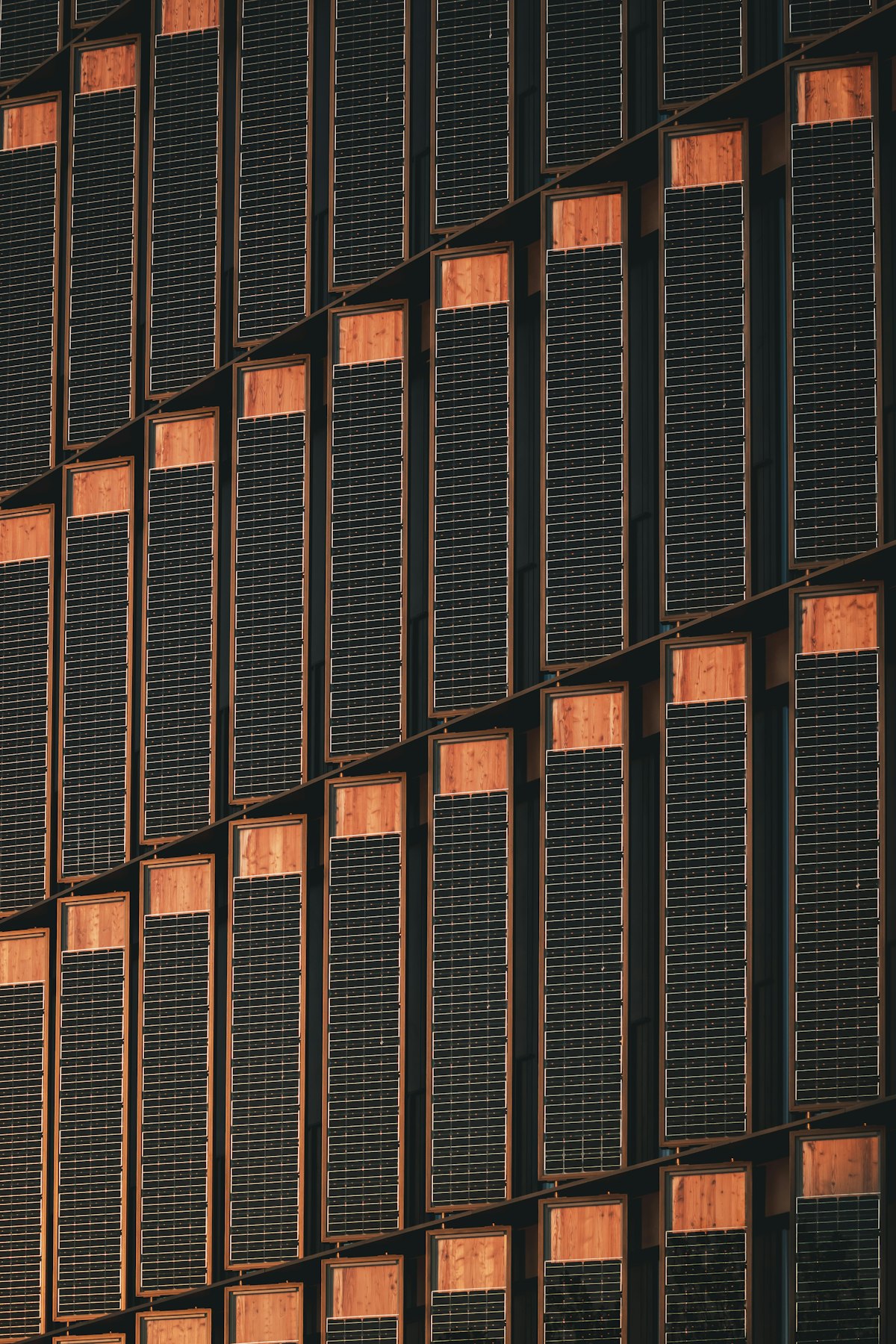
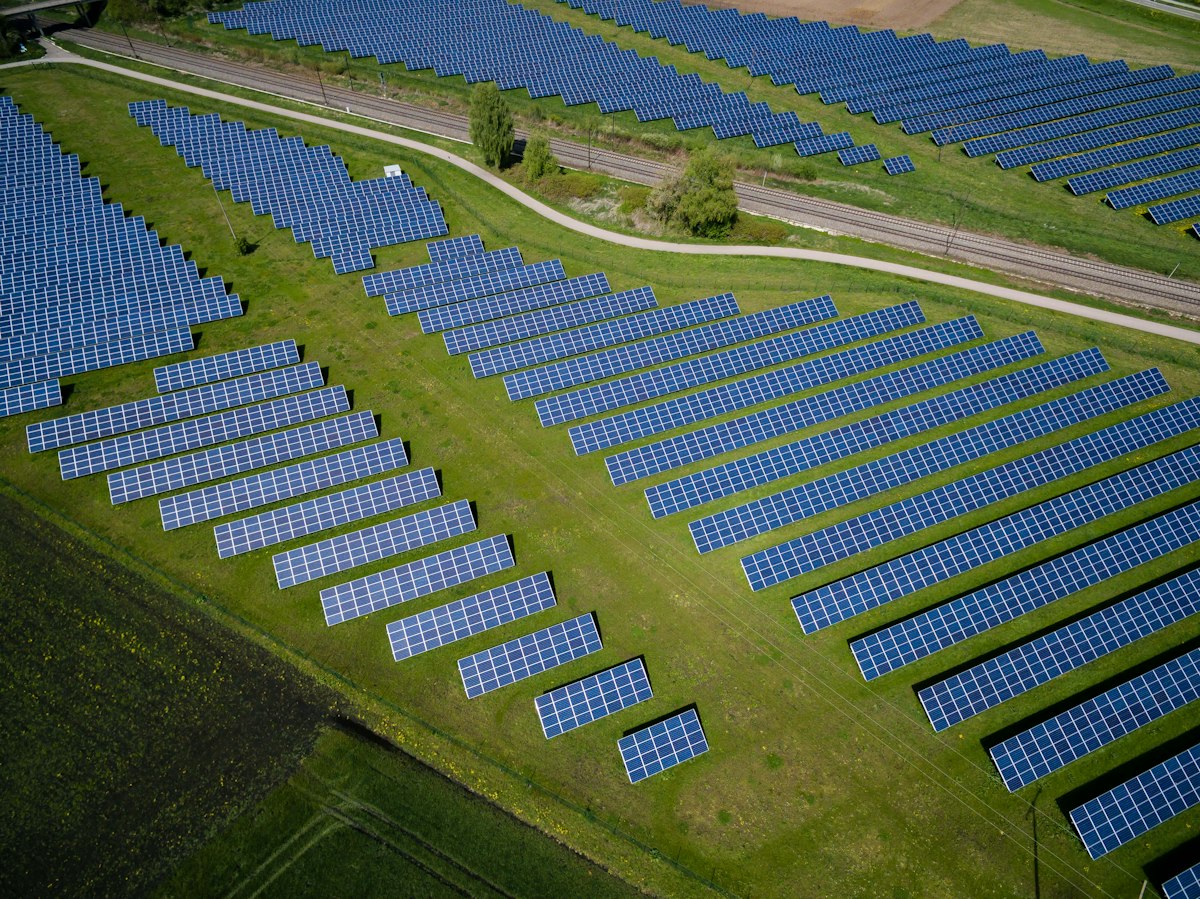
When a facade stops being cladding and starts being plant. We follow building-integrated generation and the regulations quietly forcing it onto the specification.
Home / Focus areas / Smart Energy Surfaces
What this covers
Generation assets disguised as building fabric.
Building-integrated photovoltaics, solar facades, canopies, glazing and roofing systems all do the same thing: they make a surface that already had to exist produce electricity. The economics change entirely when the substrate is a required building element rather than an optional addition.
That reframing is why this area is moving. The question stops being ‘does solar pay back?’ and becomes ‘which cladding system do we specify?’
Building-integrated PV across facade, roof and glazing
Specification routes and procurement inside construction contracts
Regulatory drivers: building standards, efficiency ratings, planning
Warranty, ownership and metering of the generation asset
The obligation
Why this ends up in the specification.
Almost none of this demand is driven by enthusiasm. It is driven by documents that a building has to satisfy before it can be let or sold.
Building standards
Performance requirements for new build and major refurbishment that push on-site generation into the base specification.
Efficiency ratings & lettability
Minimum energy standards that decide whether a commercial asset can legally be let at all.
Planning policy
Local requirements for on-site renewable generation and carbon offsetting as a condition of consent.
Corporate reporting
Occupier and landlord emissions reporting that makes on-site generation a balance-sheet question.
What decides the outcome
Three things we keep returning to.
30yr
Design life a facade is specified against
Which means a specification decision locks in generation for decades.
2
Budgets the cost has to be split across
Fabric and energy. Projects that treat it as one number tend to proceed.
EPC
The rating that decides lettability
For commercial landlords this is now a hard constraint, not a badge.
How a project gets built
The four stages, and where they stall.
STAGE 01
Specification
Architect and facade engineer select the system; energy modelling justifies it against the standard.
STAGE 02
Procurement
The system is bought inside the construction contract, with the warranty structure that implies.
STAGE 03
Installation
Trade interfaces between facade, electrical and roofing — the most common source of delay.
STAGE 04
Metering & performance
Who owns the output, who is billed, and whether measured yield matches the model.
Where the friction is
Nobody wants to own the warranty.
A facade that generates electricity sits across two worlds. The cladding contractor warrants weather-tightness; the electrical contractor warrants the system; neither wants responsibility for a defect that could be either.
The projects that work are the ones that resolve ownership, warranty and metering before procurement. We track how that is being done, because it is the difference between a pilot and a standard specification.